Source customized leather planner and notebook set for School, Office, and Gift
Explore 30 listings for customized leather planner and notebook set options featuring PU covers, various binding styles, and custom logo services. Buyers can compare specifications like page counts, sizes, and packaging to find suitable suppliers for school, office, or promotional needs.
Key considerations
Products List


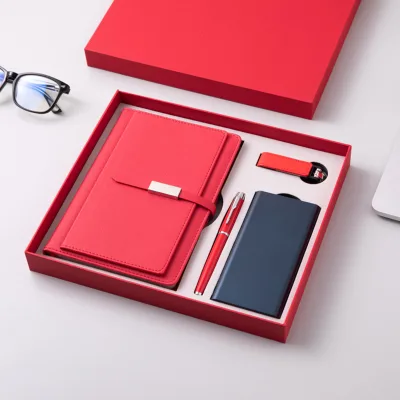


Comprehensive Sourcing Guide
Strategic Sourcing Guide for Customized Leather Planner and Notebook Sets
Understanding Product Specifications and Variants
When sourcing customized leather planner and notebook sets, buyers must first navigate a complex landscape of technical specifications that define the final product's utility and aesthetic. The market offers distinct variations in binding, cover materials, and internal page configurations, all of which directly impact the suitability of the item for specific use cases. A primary observation in the current supply base is the prevalence of PU (Polyurethane) leather covers, which serve as a cost-effective alternative to genuine leather while maintaining a premium visual appeal. However, listings also indicate the availability of genuine leather options, requiring buyers to explicitly verify material composition during the inquiry phase to ensure alignment with brand positioning and budget constraints.
The structural integrity of these items is largely determined by the binding method. The supply data reveals a divergence between "Sewing Thread" binding and "Loose Leaf" or "Glue Bound" systems. Sewing thread binding, often associated with the "Thread-bound" type classification, typically offers superior durability and the ability to lay flat, making it ideal for planners intended for frequent, heavy use in office or school environments. Conversely, glue-bound options may present a more streamlined profile but could be prone to page detachment under stress. Buyers should also note the existence of "Hardcover" styles, which provide rigid protection for the contents, a critical feature for promotional gifts or business office supplies that need to withstand transport.
Internal page specifications are equally critical for functional customization. The observed data indicates a range of inner page counts, with some products offering 80 to 120 sheets, while others specify a minimum of 120 sheets. The paper format is often customized to "Horizontal Line" for standard note-taking, but the "Inner Pages Printed" attribute suggests that buyers can request specific layouts. Furthermore, the standard size is frequently cited as A5, though dimensional variations exist, such as the specific 23x20x3cm measurement noted for certain models. This variance necessitates a clear definition of the required dimensions to avoid mismatches between the ordered product and the intended application, whether for a pocket-sized planner or a larger desktop organizer.
Compliance, Certification, and Material Verification
In the realm of B2B procurement, particularly for items involving leather and paper, verifying compliance and material safety is paramount. While the provided product data does not list specific certification numbers or third-party test results, the absence of such data in a supplier's initial listing should not be interpreted as a guarantee of compliance. Buyers must treat material claims as observations that require independent verification. For instance, the claim of "PU Leather" or "Leather" cover material must be validated against the supplier's ability to provide material safety data sheets (MSDS) or compliance certificates regarding chemical content, such as the absence of harmful phthalates or heavy metals.
The origin of the products is a significant factor in compliance and logistics. The supply data consistently points to Zhejiang, China, as the production hub for these items. While this region is a major manufacturing center, it does not inherently guarantee a specific quality standard or regulatory adherence. Buyers should verify that the manufacturing facility adheres to international labor standards and environmental regulations relevant to their target market. Additionally, the "prod_standard" field often references size standards like A5, but buyers must confirm if the supplier adheres to specific industry standards for paper weight, ink safety, and binding durability that exceed the basic size definitions.
Regarding certifications, the data mentions "Accept Customization" for logos and designs, but it does not explicitly confirm the presence of ISO certifications or specific product safety certifications (such as FSC for paper or REACH for chemicals). It is the buyer's responsibility to request proof of such certifications before finalizing an order. The "Standard" attribute in the product data often refers to physical dimensions rather than regulatory compliance. Therefore, procurement teams should include a clause in their request for quotation (RFQ) demanding evidence of material safety and ethical manufacturing practices. Without this verification, there is a risk of sourcing products that may face regulatory hurdles in the destination market, particularly in regions with strict environmental and safety laws.
Cost Drivers and Pricing Dynamics
The pricing structure for customized leather planner and notebook sets is influenced by a complex interplay of material costs, customization complexity, and order volume. The observed price range in the market spans from approximately $0.30 to $15.88 USD per unit. This wide disparity is not merely a function of brand but is driven by specific technical and logistical variables. The primary cost driver is the cover material; genuine leather commands a significantly higher price point than PU leather, which is a synthetic alternative. Buyers must carefully distinguish between these materials when evaluating quotes, as the visual similarity can lead to budget miscalculations if not explicitly clarified.
Order volume is another critical determinant of cost. The Minimum Order Quantity (MOQ) data reveals a range from 10 to 1000 units, with specific listings citing MOQs of 100, 300, or 300 sets. Higher order volumes generally allow for better economies of scale, reducing the per-unit cost. However, the customization level also impacts the price. Customizing the logo, selecting specific binding types like sewing thread, or requesting unique page layouts often incurs additional setup fees or higher per-unit costs. The "Customization" attribute is widely available, but the extent of this customization—whether it is limited to logo printing or extends to structural changes like binding type—will directly influence the final price.
Packaging and logistics represent further cost variables. The data indicates various packing methods, including "1PC/OPP Bag," "1set/Gift Box," and "Color Box." Gift box packaging, often used for promotional gifts or high-end business applications, adds material and labor costs compared to simple OPP bagging. Additionally, the shipping method, listed as options including DHL, UPS, FedEx, EMS, and Ocean freight, will significantly affect the landed cost. Ocean freight is generally more economical for large volumes but requires longer lead times, while air freight options like DHL or FedEx offer speed at a premium. Buyers must calculate the total landed cost, including shipping and packaging, rather than focusing solely on the unit price to ensure accurate budgeting.
Typical Applications and Usage Scenarios
The versatility of customized leather planner and notebook sets makes them suitable for a diverse array of applications, ranging from corporate gifting to educational tools. The "Usage" attributes observed in the supply data highlight key sectors: Gift, Promotion, School, Office, and Business. In the corporate sector, these items serve as high-value promotional gifts or client appreciation tools. The ability to accept custom logos and designs allows companies to brand these planners with their corporate identity, turning a functional item into a marketing asset. The "Application" field specifically mentions "Business.Office.Gift.Promotion.etc," confirming their broad utility in professional environments.
For the education sector, the "School" usage tag indicates that these products are frequently utilized as student planners or organizational tools. The availability of "Horizontal Line" pages and various page counts (80-120 sheets) makes them adaptable for different grade levels and academic needs. The "Pocket" usage specification suggests that smaller, more portable versions are available for students who need to carry their planners daily. In the promotional context, the "Gift" and "Promotion" tags emphasize the role of these items in trade shows, conferences, and marketing campaigns. The "Hardcover" and "Gift Box" options are particularly relevant here, as they enhance the perceived value of the gift, making it more likely to be retained and used by the recipient.
The "Office Supplies" and "Office" applications point to the internal use of these planners by employees for task management and scheduling. The "Thread-bound" and "Sewing Thread" binding options are particularly advantageous in this context, as they provide the durability required for daily use in a busy office environment. The "Style: Office" attribute further reinforces this application, suggesting a design aesthetic that is professional and functional. Whether for a pocket-sized organizer for field sales or a larger desktop planner for administrative staff, the customization options allow buyers to tailor the product to the specific workflow of their target audience.
Supplier Evaluation and Selection Criteria
Selecting the right supplier for customized leather planner and notebook sets requires a rigorous evaluation process that goes beyond price comparison. Buyers should prioritize suppliers who demonstrate transparency in their product specifications and customization capabilities. The data shows that many suppliers offer "Accept Customization" for logos and designs, but the depth of this capability varies. A reliable supplier should be able to provide detailed mockups, sample files, and clear timelines for the customization process. The "Sample Time" of 5-7 working days mentioned in the data is a benchmark for efficiency; suppliers offering significantly longer sample times may indicate bottlenecks in their production or design teams.
Geographic location is another factor to consider. The consistent mention of "Zhejiang" and "Zhejiang, China" as the origin suggests a concentration of manufacturing expertise in this region. However, buyers should verify the specific factory location and capacity to ensure they can meet their volume requirements. The "prod_packing" options, including "Carton," "Color Box," and various shipping methods, indicate that suppliers should have robust logistics capabilities. A supplier that can offer multiple shipping options, such as Ocean freight for bulk orders and express services like DHL or FedEx for samples, demonstrates logistical flexibility.
Quality control is a critical differentiator among suppliers. While the data lists attributes like "Sewing Thread" binding and "PU Leather" covers, it does not provide quality assurance metrics. Buyers should request information on the supplier's quality control processes, including in-line inspections and final random inspections (FRI). The "Item Number" and "prod_model" fields (e.g., RY001, 20351, G-08) serve as unique identifiers for specific product lines; buyers should ensure that the supplier can consistently reproduce these models with the same quality standards. Additionally, the "Brand Name" attribute, such as "Rongyi," indicates that some suppliers may have established brand identities, which can be a proxy for reliability, though buyers should still conduct due diligence on the specific factory behind the brand.
Quality Control and Long-Term Procurement Strategy
Implementing a robust quality control (QC) strategy is essential for maintaining the integrity of customized leather planner and notebook sets. Given the variation in binding methods and materials, buyers should establish clear acceptance criteria before production begins. For binding, the distinction between "Sewing Thread" and "Glue Bound" must be strictly enforced to ensure the product meets durability expectations. A common failure point in these products is the detachment of pages or the peeling of the cover material; therefore, QC protocols should include stress testing of the binding and adhesion checks for the cover.
Long-term procurement considerations involve building a sustainable relationship with suppliers that can adapt to changing market demands. The "Customization" attribute is a key enabler for long-term partnerships, as it allows for product evolution based on customer feedback. Buyers should look for suppliers who are willing to iterate on designs, materials, and packaging based on performance data from previous orders. The "Inner Pages" count and "Size" specifications should be reviewed periodically to ensure they remain relevant to the target market. Furthermore, the "Packing" options, such as "1set/Gift Box," should be evaluated for cost-effectiveness and environmental impact, especially as sustainability becomes a more significant factor in B2B procurement.
Lead time management is another critical aspect of long-term strategy. The "Sample Time" of 5-7 working days is a starting point, but buyers must clarify the full production lead time for bulk orders. Variations in "MOQ" and order volume can impact production schedules, so buyers should negotiate realistic timelines that account for potential delays. The "prod_packing" and shipping options should be aligned with the buyer's inventory management strategy to ensure timely delivery. By maintaining open communication with suppliers and establishing clear quality benchmarks, buyers can mitigate risks and ensure a steady supply of high-quality customized planners and notebooks.
Comparative Analysis of Product Attributes
To facilitate informed decision-making, the following table summarizes the key product attributes observed in the supply data, highlighting the variations that buyers must consider during the sourcing process.
| Attribute Category | Observed Variations | Procurement Consideration |
|---|---|---|
| Cover Material | PU Leather, Genuine Leather | Verify material composition; PU is cost-effective, Leather is premium. |
| Binding Type | Sewing Thread, Loose Leaf, Glue Bound | Sewing offers durability; Glue is cost-effective; Loose Leaf allows flexibility. |
| Inner Pages | 80-120 Sheets, ≥120 Sheets | Align page count with usage; heavier use requires higher sheet counts. |
| Size Standard | A5, 23x20x3cm, Pocket | Confirm dimensions; A5 is standard, but specific sizes exist for niche uses. |
| Customization | Logo, Design, Page Layout | Verify scope of customization; some suppliers offer limited vs. full customization. |
| Packaging | OPP Bag, Gift Box, Color Box, Carton | Gift boxes increase cost but enhance perceived value for promotional use. |
| MOQ | 10, 100, 300, 1000 units | Higher MOQs reduce unit cost; lower MOQs offer flexibility for testing. |
| Origin | Zhejiang, China | Consistent region; verify specific factory capabilities and compliance. |
| Shipping | DHL, UPS, FedEx, EMS, Ocean | Balance speed vs. cost; Ocean for bulk, Air for samples/urgent needs. |
This comparative analysis underscores the importance of detailed specification management. Buyers must ensure that their requirements align with the specific variations offered by the supplier to avoid discrepancies in the final product. By carefully evaluating these attributes, procurement teams can select the most suitable customized leather planner and notebook sets for their specific needs, ensuring quality, cost-effectiveness, and alignment with brand values.
FAQs
What binding types are available for these planners?
Available binding types include sewing thread, loose leaf, and glue bound options. Buyers should verify the specific binding method required for their use case, as sewing thread offers superior durability for heavy office use while glue bound options provide a streamlined profile.
Which cover materials can be selected for customization?
Cover materials typically include PU leather and genuine leather options. While PU leather is a common cost-effective choice, buyers must explicitly verify material composition to distinguish between synthetic and genuine leather before finalizing orders to align with budget and brand positioning.
Can I customize the logo and design on the notebook?
Yes, customization for logos and designs is widely available across the supply base. Buyers should request detailed mockups and confirm the sample time, which typically ranges from 5 to 7 working days, to ensure the design process aligns with project deadlines.
What are the standard inner page counts for these sets?
Inner page counts generally range from 80 to 120 sheets, with some products offering a minimum of 120 sheets. The pages are often printed with horizontal lines, but specific layouts can be customized to meet the functional needs of school or office environments.
How does the MOQ vary for different product models?
Minimum Order Quantities vary significantly, ranging from 10 to 1000 units depending on the specific model. Some listings specify MOQs of 100, 300, or 300 sets, so buyers must check the exact requirement for their chosen product model to ensure volume feasibility.
Where are these products typically manufactured?
The products are predominantly manufactured in Zhejiang, China. Buyers should verify the specific factory location and capacity to ensure the supplier can meet volume requirements and adhere to international labor and environmental standards relevant to their target market.
What packaging options are available for these planners?
Packaging options include 1PC/OPP bags, gift boxes, and color boxes. The choice of packaging affects the final cost, with gift box packaging adding material and labor expenses compared to simple OPP bagging, making it suitable for high-end promotional gifts.